
Meta’s Response to Government Pressure on Content Moderation

Share
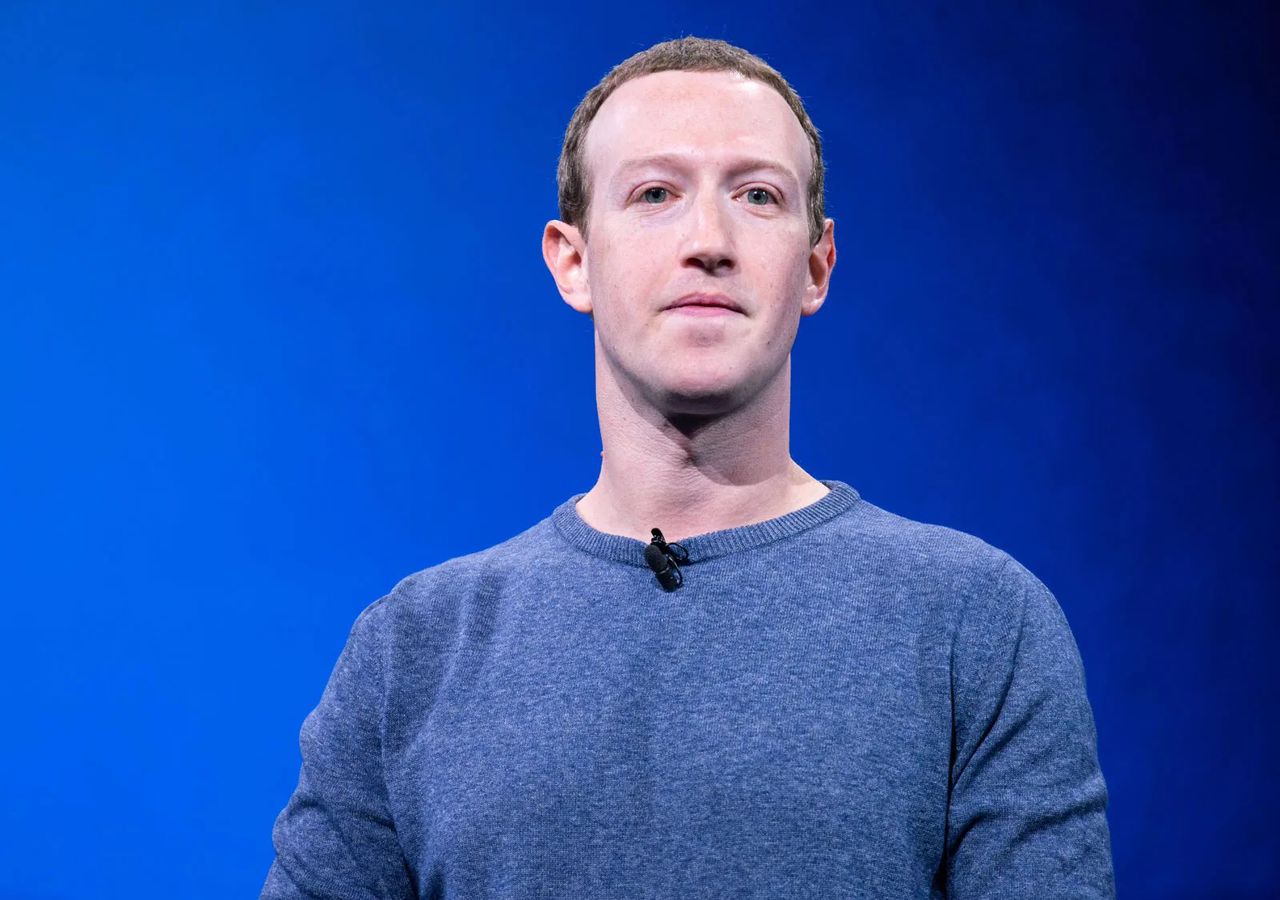
On August 26, 2024, Meta’s CEO, Mark Zuckerberg, addressed a significant letter to Chairman Jim Jordan of the Committee on the Judiciary, United States House of Representatives. The letter, written on behalf of Meta, addressed the ongoing concerns and controversies surrounding content moderation on online platforms, specifically focusing on the relationship between the U.S. government and private companies like Meta.
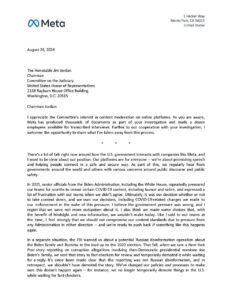
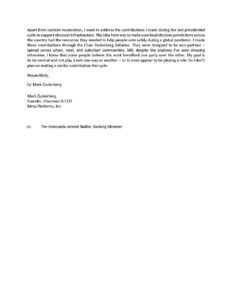
In this blog post, we’ll delve into the key points of the letter, examining the implications of government influence on content moderation, the ethical dilemmas faced by tech companies, and how Meta plans to navigate these challenges moving forward.
The Core of the Letter: Government Interaction with Meta
Zuckerberg opens the letter by acknowledging the Committee’s interest in content moderation, emphasizing Meta’s cooperation with the investigation by providing documents and interviews. He notes the significant impact the U.S. government has had on how Meta operates, particularly concerning content related to COVID-19 and the 2020 presidential election.
The letter highlights two main incidents:
1. Pressure from the Biden Administration on COVID-19 Content: According to the letter, senior officials from the Biden Administration, including the White House, repeatedly pressured Meta to censor certain COVID-19 content. This content ranged from humor and satire to more serious discussions, and the pressure led to a significant internal debate within Meta. Zuckerberg explains that while Meta ultimately retained control over its decisions, including what content related to COVID-19 was moderated or removed, the pressure from the government was undeniable.
He admits that, in hindsight, some decisions made under government pressure were mistakes, and Meta regrets not being more outspoken against such pressure. This admission is critical as it signals Meta’s recognition of the need to maintain independence in its content moderation policies, even when facing external pressures from powerful entities like the U.S. government.
2. FBI Warnings Regarding Potential Russian Disinformation: The second incident discussed in the letter pertains to warnings from the FBI about a possible Russian disinformation operation aimed at influencing the 2020 U.S. presidential election. Specifically, this involved content related to the Biden family and Burisma, which gained significant attention during the election cycle.
Zuckerberg describes how Meta reacted to a New York Post story by temporarily demoting the content and sending it for fact-checking. However, it later became clear that the reported content was not Russian disinformation. In retrospect, Zuckerberg acknowledges that the decision to demote the story was a mistake, and Meta has since changed its policies to prevent such incidents from happening again.
The Ethical Dilemma: Balancing Free Speech with Public Safety
One of the most significant challenges Meta faces, as outlined in the letter, is balancing the promotion of free speech with the responsibility to ensure public safety and accurate information. Zuckerberg reaffirms Meta’s commitment to providing a platform that is open and safe for everyone, but this is no easy task, especially in the context of political and public health crises.
The letter makes it clear that while Meta listens to governments and other stakeholders, the company ultimately owns its decisions regarding content moderation. This statement is crucial because it underscores the ethical dilemma at the heart of the issue: how should tech companies navigate government pressure while maintaining their principles and the trust of their users?
The letter also reflects a broader debate on whether tech companies should have the power to act as arbiters of truth. The incidents with the Biden Administration and the FBI demonstrate the complexities of this role, where decisions made under duress or with incomplete information can have significant consequences.
Lessons Learned and Policy Changes
A notable aspect of the letter is Meta’s acknowledgment of past mistakes and its commitment to improving its content moderation processes. Zuckerberg states that the company has changed its policies to ensure that similar errors do not occur in the future. Specifically, Meta no longer temporarily demotes content while waiting for fact-checkers, a policy change that directly addresses the issues raised during the 2020 election.
This shift in policy is indicative of Meta’s broader strategy to refine its content moderation practices, making them more transparent and less susceptible to external pressure. By admitting its mistakes and outlining the steps taken to correct them, Meta aims to rebuild trust with its users and stakeholders.
The Future of Content Moderation at Meta
The letter concludes with a firm stance from Meta: the company is prepared to push back against any future attempts by governments to pressure it into making decisions that compromise its standards. This is a significant declaration, signaling Meta’s intent to maintain its autonomy in content moderation.
However, the challenges ahead are considerable. As governments around the world become more involved in online discourse, the pressure on tech companies like Meta will likely increase. Navigating these challenges will require a delicate balance between respecting governmental concerns and preserving the principles of free expression and user trust.
Conclusion
Meta’s letter to Chairman Jim Jordan is a critical document that sheds light on the complex relationship between tech companies and governments in the digital age. It highlights the challenges Meta faces in content moderation, especially when under pressure from powerful entities like the U.S. government.
The letter serves as both a reflection on past mistakes and a roadmap for the future. By admitting errors and committing to policy changes, Meta is taking steps to improve its content moderation practices. However, the ongoing debate over the role of tech companies in managing public discourse is far from settled.
As we move forward, it will be crucial to watch how Meta and other tech giants navigate these challenges, balancing the demands of governments with their commitment to free speech and the trust of their users. This letter is a clear indication that Meta is not only aware of these challenges but is also actively seeking ways to address them while maintaining its core values
Watch video here: https://x.com/collinrugg/status/1828226111291179434?s=46